Free Delivery
Customer Care 1800 309 9855
Call 1800 309 9855
Customer Care 1800 309 9855
Call 1800 309 9855
Himalaya Erina Ep Tick and Flea Control Shampoo For Dogs and Cats Brand- Himalaya Type- Tick-Flea Control Shampoo Features Himalaya Erina EP Shamp...
View full detailsHimalaya Erina EP Anti-Tick & Flea Powder 150 g Brand- Himalaya Quantity –150 g Type- Anti Tick and Flea Powder Features Tick and Flea Contro...
View full detailsFurry Friend Pet Flea Comb for Dogs Features Grip handle. Comfortable to hold. Suitable for all types of dogs. Made of high quality stainless ste...
View full detailsFurry Friend Pet Grooming Comb Slicker Brush Features Made of stainless steel and anti-static material. Strong and durable. Effective coat care t...
View full detailsFurry Friend Pet Grooming Comb with Grip Handle Features High Quality Stainless Steel. Rubber Grip Handle. Useful in daily pet grooming. Comforta...
View full detailsFurry Friend Pet Grooming Comb Wooden Handle Features Wooden handle, Comfortable to hold. Suitable for all types of dogs. Made of high quality s...
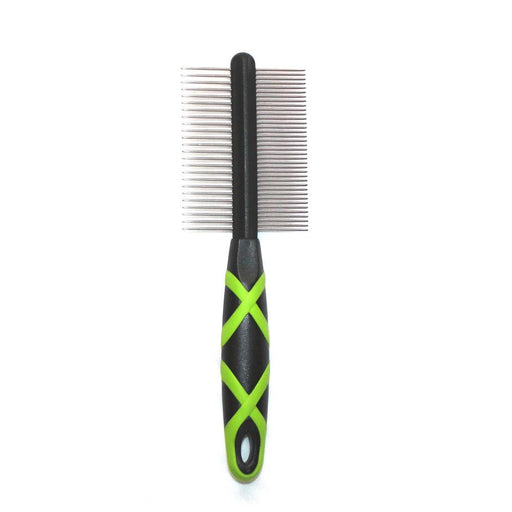
View full detailsHello Pet Double Side Comb for all type of Pets Features Premium Quality Product. Useful for all Breeds. Dual Functions removing tangles and styli...
View full detailsHello Pet Flea Comb for all type of Small Pets. Features Premium Quality Product Useful for all Breeds Closely Spaced teeth remove fleas and thei...
View full detailsPet Flea Comb for all type of Small Pets Features Premium Quality Product. Useful for all Breeds. Closely Spaced teeth remove fleas and their egg...
View full detailsPremium Flexible Undercoat Comb for all type of Pets Features Premium Quality Product Useful for all Breeds Flexible Spring Mounted Pins curve to ...
View full detailsPet Non Slip Handle Comb for Dogs Features Premium Quality Product. Non Slip Handle Comb for all type of Pets. Useful for all Breeds. Removes loos...
View full detailsTicks are one of the most common problems faced by dogs in India, especially during monsoon and humid weather. These small parasites hide inside the fur and attach to the skin, causing irritation, scratching, discomfort, and sometimes even serious health problems if ignored for too long.
Dogs that spend time outdoors, walk in grassy areas, or have thick fur are usually more likely to get ticks. Regular grooming, tick checks, proper hygiene, and timely tick control products can help protect your dog from tick-related problems.
✔ Scratching more than normal
✔ Biting or chewing skin repeatedly
✔ Shaking ears often
✔ Small brown ticks visible on fur or skin
✔ Red spots around tick bites
✔ Restlessness or discomfort
✔ Hair loss near affected areas
✔ Bad smell from coat
✔ Excess paw licking
✔ Low activity or weakness in heavy tick infestation
Ticks often hide in warm and less visible areas of the body.
Ticks commonly hide near the ears because the area stays warm and covered.
Collar areas are common hiding spots for ticks, especially in thick-coated dogs.
Ticks may attach around paws after outdoor walks or contact with grass.
This area is often ignored during grooming, making it a common place for ticks.
Moist skin and hidden folds make these areas more vulnerable.
Dogs with dense fur may carry hidden ticks for a long time if regular brushing is skipped.
Ticks are commonly found in grass, parks, gardens, roadside plants, and open outdoor areas.
Monsoon humidity helps ticks grow and spread faster.
Dogs may pick up ticks while playing or staying near infected pets or stray dogs.
Unclean bedding and damp sleeping areas may increase tick problems.
Skipping regular brushing and body inspection allows ticks to stay hidden longer.
Long and dense fur may trap ticks deep inside the coat.
Monsoon weather creates warm and humid conditions that help ticks survive and multiply quickly. Wet fur, muddy walks, damp bedding, and outdoor moisture may increase the chances of tick infestation.
Wet Fur & Humid Skin
Ticks grow faster when the skin and coat stay damp for long periods.
Faster Tick Growth During Humidity
Humidity creates an ideal environment for ticks and fleas.
Outdoor Mud, Grass & Dirty Water
Dogs often come in contact with ticks during rainy walks or outdoor play.
Some dogs are naturally more likely to get ticks because of their thick coat, long fur, outdoor activity, or skin folds.
Golden Retriever
Their long coat can easily trap ticks and moisture during humid weather.
Cocker Spaniel
Dense fur and long ears make them more sensitive to tick buildup.
Shih Tzu
Long hair and regular floor contact increase the chances of hidden ticks.
Saint Bernard
Heavy-coated breeds need frequent brushing and regular tick inspection.
Siberian Husky
Thick double coats can hide ticks deep inside the fur.
Labrador Retriever
Outdoor activity and frequent shedding may increase tick exposure.
German Shepherd
Dense coat and outdoor walks make regular tick checks important.
Beagle
Beagles are active outdoor dogs and may pick up ticks from grass easily.
Indie Dogs
Outdoor exposure increases the chances of tick infestation.
Pomeranian
Long fur around the neck and ears may hide ticks easily.
Great Dane
Large body size and outdoor exposure can increase tick risk.
Lhasa Apso
Long coat needs regular grooming and tick checks.
Maltese
Long silky coat may hide small ticks easily.
Basset Hound
Long ears and low body height increase grass contact.
Doberman
Outdoor activity and short coat make tick bites easier to notice.
Cane Corso
Large active dogs may face higher outdoor tick exposure.
Dachshund
Low body height increases contact with grass and dirty ground.
Akita
Dense coat may hide ticks during humid weather.
Rottweiler
Outdoor guarding activity may increase tick exposure.
Constant Scratching & Restlessness
Ticks irritate the skin and make dogs uncomfortable.
Skin Redness & Tick Bite Marks
Tick bites may leave red spots or swollen skin areas.
Hair Loss Around Tick Areas
Continuous scratching may lead to patchy hair loss.
Weakness & Low Energy
Heavy tick infestation may affect overall health and energy levels.
Tick Fever Risk
Some ticks may spread infections and tick fever if left untreated.
Bad Smell from Skin & Coat
Ticks and dirty skin may sometimes create unpleasant body smell.
Anti tick shampoos help clean the coat and support regular tick control during grooming.
Explore:
Anti Tick Shampoo for Dogs
Tick powders and sprays are commonly used for additional protection during tick season.
Explore:
Tick Powders & Sprays
Tick collars are often used for long-duration tick prevention support.
Explore:
Tick Collars for Dogs
Tick removal tools help remove attached ticks safely from the skin.
✔ Check the coat after walks
✔ Brush the fur regularly
✔ Keep bedding clean
✔ Wash paws after outdoor walks
✔ Keep the sleeping area dry
✔ Inspect ears and neck area often
✔ Keep long fur properly groomed
✔ Maintain regular tick checks during monsoon
✔ Wet and dirty surroundings
✔ Long unclean fur
✔ Humid weather
✔ Dirty bedding
✔ Poor grooming routine
✔ Outdoor exposure without tick care
✔ Skipping regular tick checks
✔ Allowing damp fur to stay wet for long
| Do’s ✔ | Don’ts ✘ |
|---|---|
| Check the coat regularly | Ignore scratching |
| Keep bedding clean | Leave wet fur for long |
| Brush long fur properly | Skip tick inspection |
| Clean paws after walks | Use dirty grooming tools |
| Use dog-safe tick products | Ignore hidden areas like ears |
| Maintain regular grooming | Allow ticks to stay attached |
✔ Inspect the coat daily
✔ Use a fine grooming comb
✔ Wash bedding weekly
✔ Keep sleeping area clean
✔ Dry paws after outdoor walks
✔ Remove ticks carefully
✔ Maintain regular brushing
✔ Keep fur trimmed during monsoon if needed
✔ Avoid tall grass during walks
✔ Keep coat dry during monsoon
✔ Check hidden body areas regularly
✔ Avoid dirty outdoor resting areas
✔ Maintain regular grooming schedule
✔ Clean collars and grooming tools regularly
✔ Keep home surroundings clean
If your dog has fever, weakness, severe skin irritation, swollen tick bites, or heavy tick infestation, veterinary care may be needed. Tick fever and skin infections should not be ignored.
Q. How do dogs usually get ticks?
A. Dogs usually get ticks from grass, outdoor walks, parks, infected animals, or humid surroundings.
Q. Are ticks more common during monsoon?
A. Yes, warm and humid weather during monsoon helps ticks grow faster.
Q. Where do ticks usually hide on dogs?
A. Ticks commonly hide near ears, neck, paws, belly, tail area, and inside thick fur.
Q. Can ticks cause hair loss in dogs?
A. Yes, continuous scratching and tick bites may lead to hair loss around affected areas.
Q. How often should I check my dog for ticks?
A. During tick season, checking the coat daily after walks is helpful.
Q. Are tick shampoos useful for dogs?
A. Anti tick shampoos are commonly used during grooming to help support tick control and coat cleanliness.
Q. Which dogs are more likely to get ticks?
A. Long-coated and outdoor-active breeds are usually more prone to tick problems.
Q. Can dirty bedding increase tick problems?
A. Yes, dirty or damp bedding may increase the chances of tick infestation.
Q. Is regular grooming important during tick season?
A. Yes, regular brushing and grooming help detect ticks early.
Q. When should I visit a vet for tick problems?
A. If your dog has weakness, fever, severe scratching, swollen skin, or heavy tick infestation, veterinary attention may be needed.
Dog Itching & Scratching
Dog Hair Fall
Dog Skin & Coat Care
Dog Dandruff
Dog Grooming Products
Regular grooming, clean surroundings, proper tick checks, and timely tick care products can help protect your dog from discomfort and skin problems caused by ticks.
{"one"=>"Select 2 or 3 items to compare", "other"=>"{{ count }} of 3 items selected"}